Why Everyone Says "Buy Land" in Nigeria (And Whether They're Right)
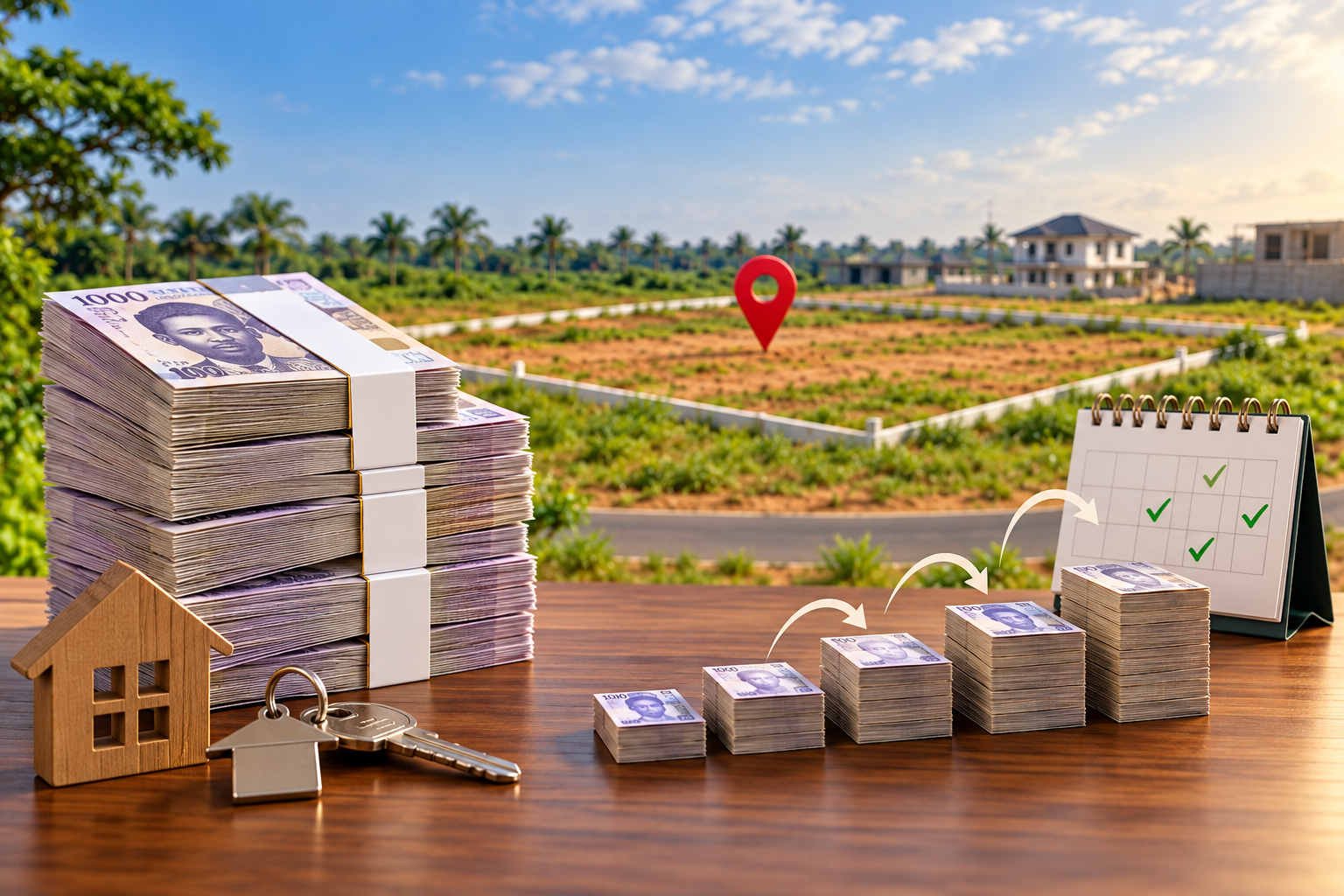
You've heard it from your uncle, your pastor, your colleague who "just closed on a plot in Epe." In Nigeria, "buy land" isn't advice; it's practically a national reflex. But repeated advice isn't automatically good advice. So let's actually test it: why does everyone say this, and does it hold up in 2026?
Where the Advice Actually Comes From
Nigeria's economic reality makes land a different kind of asset than it is elsewhere. The naira has lost significant value against major currencies over the past several years, savings accounts pay next to nothing, and inflation has run persistently high. In that environment, cash sitting still is cash quietly losing value every month.
Land doesn't behave like cash. A plot doesn't shrink because the naira weakened; it's priced and often re-priced in terms of what it's actually worth, and location-driven demand (a new road, a university, an airport) tends to push land value up rather than down. That's the core of why "buy land" became the default financial advice for an entire generation of Nigerians: it's one of the few widely accessible assets that has historically outpaced inflation rather than being eroded by it.
Why It's Not Just Hype
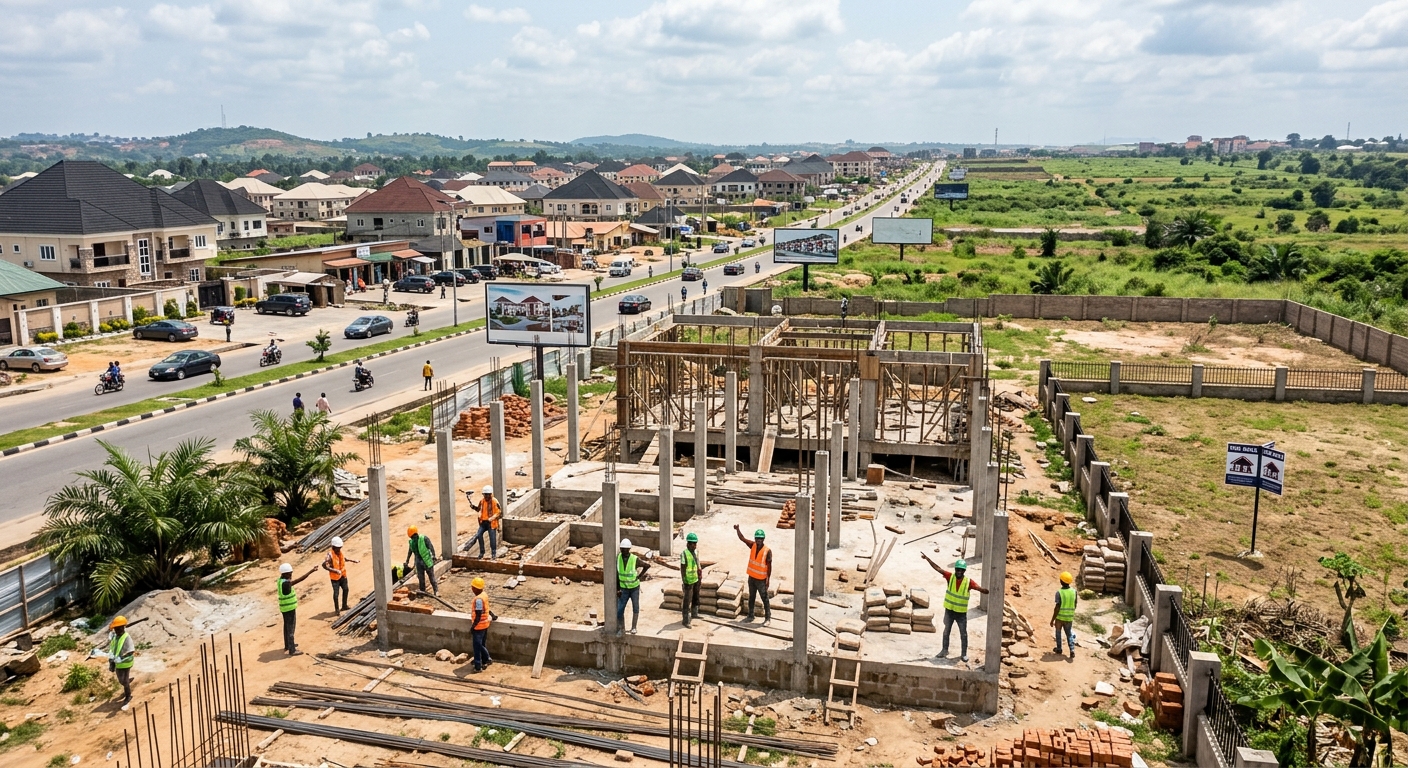
This isn't unique folk wisdom; it's consistent with basic economics. Land is a finite resource. Nigeria's population is growing, urbanising, and expanding into new corridors every year. As more people compete for a fixed supply of usable, titled land near infrastructure, prices in those corridors tend to rise. That's true in Lagos, but it's increasingly true in Abuja's satellite towns, Port Harcourt's outskirts, and growth corridors across the East too.
It's also one of the few investments a first-time investor can understand without a finance background. You don't need to interpret a balance sheet to know that land near a new airport or university is likely to become more valuable as that area develops.
Why the Advice Still Needs a Caveat
Here's where "buy land" as blanket advice starts to break down: not all land is equal, and not all land buying is safe. The same market that rewards early, informed buyers also punishes uninformed ones. Fake titles, duplicate sales, and disputed ownership are real and common risks; we've written a full breakdown of the top land scams in Nigeria and how to avoid them.
The advice "buy land" is right. The advice "buy any land, from anyone, without checking anything" is how people lose their savings. The difference between the two is entirely about verification: title documentation, location fundamentals, and buying from a company or seller with an actual track record.
Frequently Asked Questions
Is land really a good investment in Nigeria right now? Yes, for buyers who verify title and choose locations with real infrastructure drivers, not just marketing hype. Land has historically outpaced naira depreciation and inflation, but the return depends heavily on which specific plot and location you choose.
Why do Nigerians prioritise land over other investments? Land is tangible, doesn't require financial expertise to understand, and has a track record of holding or increasing value even during currency depreciation. It's also one of the few assets accessible to first-time investors without needing a broker or complex paperwork.
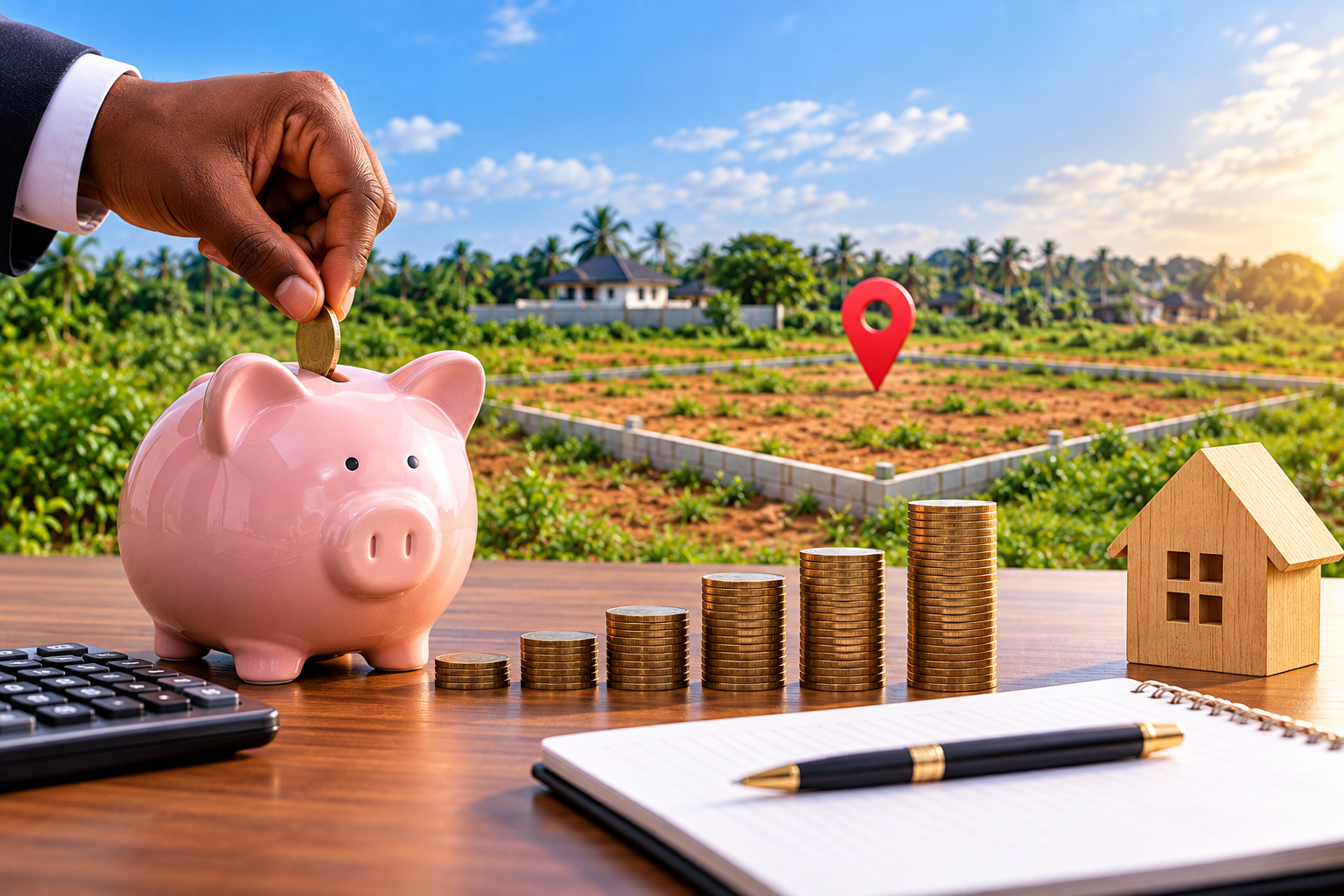
Is it better to buy land or save cash in Nigeria? Cash sitting in a low-yield savings account tends to lose real value against inflation over time. Land, when verified and well-located, tends to hold or grow in value instead, which is why it's widely recommended over pure cash savings for medium to long-term goals.
What's the biggest risk of buying land in Nigeria? Title fraud and unverified ownership claims are the biggest risks, not the asset class itself. The risk sits in the specific transaction, not in the idea of buying land generally.
How much land can I afford on an average Nigerian salary? It depends heavily on the salary band and location. Our breakdown of what land you can buy on a ₦150k–₦350k salary covers realistic price points and timelines in detail.
So, Should You Buy Land?
If you understand what you're buying, verify the title, and choose a location with real infrastructure or growth drivers behind it, not just marketing hype, land remains one of the more reliable ways to protect and grow money in Nigeria's current economic climate. That's true whether you're starting with ₦2 million or ₦20 million.
The question isn't whether to buy land. It's whether you're buying the right land, from the right seller, with the right documentation in hand.
Ready to see what's actually available? Browse verified, titled properties currently listed across Nigeria, or book a free consultation to talk through your budget and goals.