4 Reasons Smart Property Investors Are Watching Lagos’ New Climate Deal Closely
If someone told you that a climate policy could shape your next property investment in Lagos, you’d probably raise an eyebrow.
Most people hear “climate deal” and think of environmental headlines. But if you’ve been tracking Lagos real estate investment long enough, you know what casual buyers miss: climate policy drives infrastructure funding. And infrastructure drives property value.
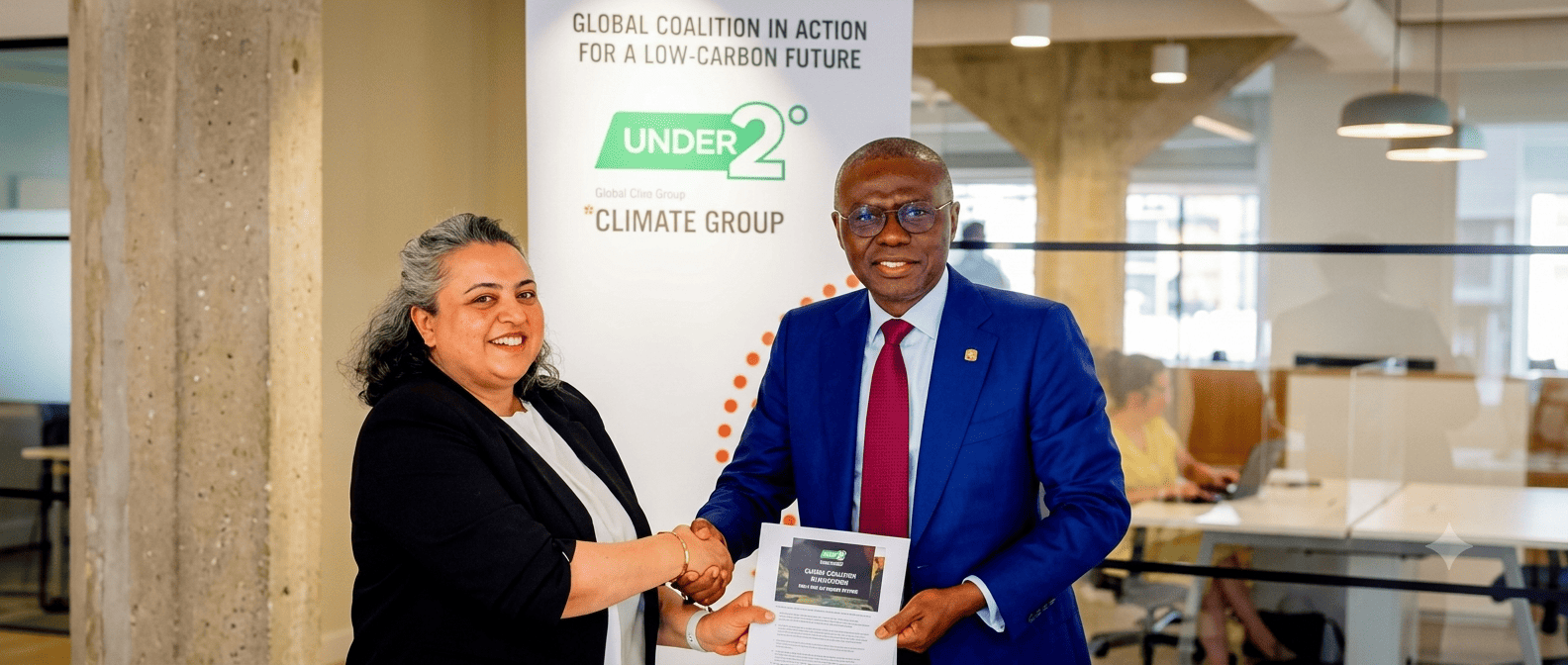
That’s why Lagos joining the Under2 Coalition in 2024(a global network of 270+ governments committed to climate-resilient urban planning) is worth your attention. This isn’t PR. It’s about drainage upgrades, flood management, transport expansion, and long-term city planning. All of which directly impact where people want to live, work, and buy property.
No, this won’t make land prices jump overnight. But it does signal that Lagos is planning beyond the next election cycle. And in real estate, that’s exactly the kind of forward momentum smart investors position themselves for.
If you’re considering buying land in Lagos or expanding your portfolio, here’s why this development matters.
1. Climate-Resilient Cities Build Better Infrastructure (And Infrastructure Moves Markets)
Ask any seasoned Lagos investor what appreciates land value, and they won’t say “good vibes.” They’ll say: roads, rail, drainage, power, and access.
Climate-resilient planning forces governments to invest in exactly those things. Proper drainage reduces flooding. Elevated roads improve all-season access. Public transport cuts commute times. Reliable utilities make estates livable year-round.
Lagos is already moving in this direction:
- The Blue Rail Line has moved over 6 million passengers since 2023, reshaping mainland-island commute patterns.
- The proposed Green Rail Line will connect Marina to the Lekki Free Trade Zone, opening up previously inaccessible corridors.
- Since 2019, Lagos has completed 360+ road projects covering ~347km, alongside drainage upgrades in flood-prone axes.
When infrastructure improves, three things happen:
Commute times drop → more professionals consider living further out
Businesses relocate → jobs follow → housing demand rises
Flood risk decreases → buyer confidence increases → property values stabilize and grow
Research backs this: A World Bank study on climate-resilient infrastructure shows that cities investing in flood management and transport see 12–18% higher long-term property appreciation in upgraded corridors.
If you’re tracking Lagos infrastructure development, follow the drainage, rail, and road budgets. That’s where appreciation follows.
2. Long-Term Planning Beats Short-Term Hype Every Time
Real estate isn’t a get-rich-quick game. It’s a get-rich-patiently game.
When you buy land in Lagos today, you’re not betting on what the area looks like now. You’re betting on what it becomes in 5, 10, or 15 years.
Lagos’ commitment to the Under2 Coalition signals policy continuity, environmental planning, and sustainable urban development. That matters because:
- It reduces regulatory uncertainty for developers
- It attracts institutional capital and foreign direct investment
- It prioritizes master-planned communities over haphazard development
- It future-proofs neighborhoods against climate-related disruptions (flooding, erosion, heat stress)
Investors who bought along the Lekki corridor a decade ago didn’t wait for the expressway to be fully expanded. They followed the blueprint. Today’s climate and infrastructure planning is tomorrow’s price appreciation.
Don’t buy blind. Communicate with one of our real estate professional consultants.
3. Emerging Corridors Will Feel the Impact First
Not all of Lagos will develop at the same pace. But some axes are clearly positioned for accelerated growth.
Ibeju-Lekki, Epe, Sangotedo, and the broader Lekki corridor are already transforming. Major catalysts include:
- Lekki Deep Sea Port (West Africa’s largest automated port)
- Dangote Refinery & Fertilizer Plant
- Lekki Free Trade Zone
- Ongoing Lekki-Epe Expressway expansion & proposed Green Rail alignment
As industries move in, they create jobs. More jobs attract residents. More residents increase demand for housing, retail, and short-term rentals.
According to PwC Nigeria’s Real Estate Outlook, corridors with active industrial and transport investments typically see 15–25% capital appreciation over a 3–5 year horizon, provided titles are verified and drainage is functional.
History shows a simple pattern: infrastructure → jobs → population → housing demand → commercial real estate growth. Investors who position themselves early in properly titled, elevated, and serviced estates tend to capture the strongest upside.
Reality check: Proximity to a highway doesn’t guarantee appreciation. Elevation, drainage quality, title status, and estate management do. Buy the fundamentals, not the billboard.
4. Smart Money Follows Policy, Not Prices
The biggest difference between reactive buyers and strategic investors? Perspective.
Most people ask: “How much is this plot selling for today?”
Experienced investors ask: “Where is this community heading?”
They track:
- Government transport & drainage budgets
- Zoning changes & master plan approvals
- Industrial permits & corporate relocations
- Flood management projects & elevation data
- Population migration patterns & rental demand shifts
Lagos’ participation in the Under2 Coalition is another data point in a broader trend: the state is planning for resilience, not just reaction. Combined with rail expansion, road upgrades, port development, and economic zoning, it points to a city preparing for sustained, structured growth.
Real estate has never been about today’s headlines. It’s about spotting tomorrow’s demand before the crowd arrives.
Is This the Right Time to Buy? A Quick Investor Checklist
Climate policy and infrastructure plans are strong directional signals. But they don’t replace due diligence. Before committing capital, verify:
Title status: C of O, Governor’s Consent, or registered Gazette/Excision. Cross-check with the Lagos State Lands Bureau.
Elevation & drainage: Visit during rainy season. Check estate grading, culverts, and historical flood data.
Developer track record: Are they delivering promised infrastructure? Do they have a maintenance plan?
Access & utilities: Is the road passable year-round? What’s the plan for power, water, and waste?
Professional verification: Work with a licensed surveyor & real estate lawyer. Never buy on “family receipts.”
A little upfront verification saves millions in regrets. The right investment aligns with both market momentum and your risk tolerance.
Final Thoughts: Invest in the Direction, Not Just the Dirt
Buying land in Lagos isn’t just about owning soil. It’s about positioning yourself in the path of progress.
Lagos’ climate partnership, infrastructure expansion, and economic zoning all point in the same direction: structured, long-term growth across the Lekki-Epe-Ibeju corridor. Prices today are just a snapshot. The real opportunity lies in what’s being built, funded, and planned for tomorrow.
If you’re ready to move from watching the market to positioning in it, start with verified land, proper titles, and estates that prioritize drainage, access, and sustainable planning.
Browse Verified Plots in Ibeju-Lekki, Epe & Sangotedo
contact one of our real estate consultants
Frequently Asked Questions (FAQ)
What is the Under2 Coalition and why does it matter for Lagos real estate?
The Under2 Coalition is a global network of states and cities committed to climate-resilient urban planning. For Lagos, membership signals long-term investment in drainage, flood management, sustainable transport, and structured development. These factors directly impact infrastructure quality, livability, and long-term property appreciation.
Will this climate deal increase land prices in Ibeju-Lekki and Epe?
Not directly or overnight. However, climate-resilient planning accelerates infrastructure funding, improves flood management, and attracts institutional development. Historically, corridors with sustained infrastructure investment see steady capital appreciation and stronger rental demand over a 3–7 year horizon.
How does climate resilience affect property investment in Lagos?
Climate-resilient areas experience less seasonal flooding, better drainage, improved road accessibility, and higher building standards. This reduces maintenance costs, increases buyer/tenant confidence, and stabilizes property values. Investors increasingly prioritize elevated, well-drained estates with verified titles.
What should I verify before buying land in fast-growing Lagos corridors?
Always verify title documents (C of O, Governor’s Consent, or Gazette), cross-check survey coordinates with the Lagos State Lands Bureau, inspect drainage and elevation, visit during rainy season if possible, and confirm the developer’s infrastructure delivery track record. Work with a licensed surveyor and real estate lawyer before payment.
Is now a good time to invest in Lekki/Epe real estate?
Yes, if you’re buying with a 3–10 year horizon and prioritizing verified titles, elevated locations, and estates with active infrastructure development. The Lekki-Epe-Ibeju corridor continues to attract industrial, residential, and transport investments. Positioning early in properly planned communities typically yields stronger long-term return